 GetOnWeb
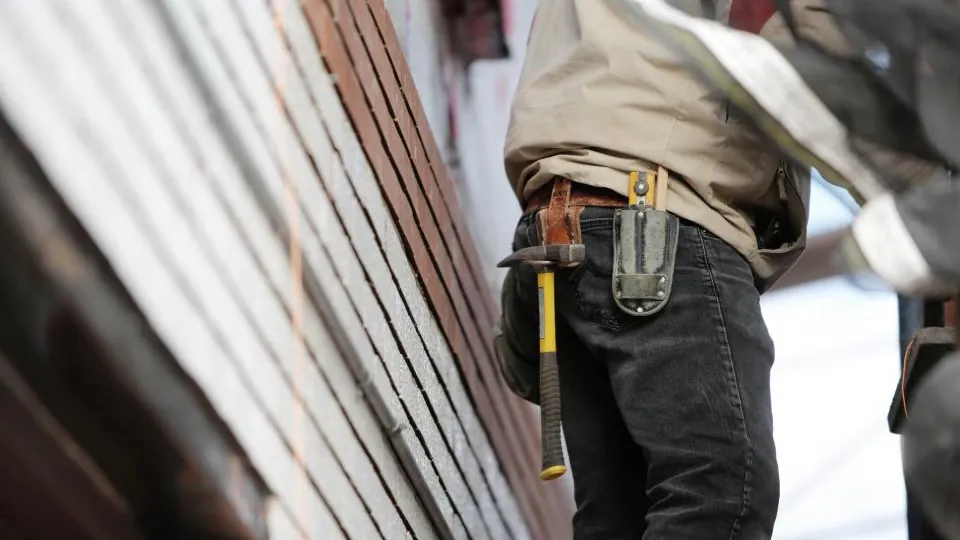
Most tradespeople get work from word of mouth - until the referrals slow down. When they do, the next customer is usually searching Google on their phone: "electrician near me", "roofer in [town]", "kitchen fitter reviews". Website design for tradesmen isn't about looking fancy. It's about being the trade that shows up, looks trustworthy and is easy to call. Here's what that takes.
What customers look for before they call a tradesman
Put yourself in the customer's shoes. They're letting someone into their home and trusting them with a job they can't do themselves. Before they pick up the phone, they want to know:
- Do you do the job I need?
- Do you cover my area?
- Are you qualified, insured and properly registered?
- Have other people been happy with your work?
- How quickly can I get hold of you?
A good trade website answers all five within a few seconds of landing on the page.
The pages every trade website needs
A homepage that says what and where
The first line should say exactly what you do and where - "Plumber in Leicester and surrounding villages" beats "Quality service you can trust". Put your phone number at the top, and make it tappable on mobile.
A page for each main service
Separate pages for your main jobs - boiler installs, rewires, extensions, flat roofs - help customers find what they need and help Google match you to specific searches. A short description, what's involved, and a photo or two of real work is enough.
Areas you cover
List the towns and areas you work in. Customers check this before calling, and it helps you appear in local searches. Keep it honest - only list places you genuinely cover.
Your work
Photos of real jobs are the most convincing thing on a trade website. Before-and-after shots work especially well. Phone photos are fine as long as they're clear and well lit.
Reviews and accreditations
Show genuine reviews, and link to where they live (Google, Checkatrade, TrustATrader and similar). Add your real registrations - Gas Safe, NICEIC, NAPIT, FMB, TrustMark - with registration numbers where relevant. Never display a badge you don't hold.
Tip: link your website from your Google Business Profile and your Google Business Profile from your website. For local trades, the two work together - see why tradespeople are losing jobs to competitors with websites.
Features that actually win jobs
- Click-to-call and WhatsApp buttons - most trade enquiries happen on a phone
- A short quote request form - name, number, postcode, what they need, optional photo
- Opening hours and emergency cover - say clearly if you do call-outs
- Fast loading - customers on mobile data won't wait for a slow site
You don't need online payments, complicated booking systems or animations. Keep it simple and quick.
Common mistakes on trade websites
- No phone number visible without scrolling
- Stock photos of smiling models instead of your own work
- Out-of-date services, prices or areas
- "Contact us for more information" with no information
- A site that looks broken on a phone
A trade website, without the hassle
We design and write your site, keep it updated and host it for £39.99/mo. You send photos, we do the rest.
See what's included →Guides for specific trades
Every trade is a bit different. We've put together pages for many of them, including builders, plumbers, electricians, roofers, landscapers and kitchen and bathroom fitters.
The bottom line
A tradesman's website has one job: turn a stranger searching on their phone into a phone call. Say what you do and where, show real work and real reviews, prove you're qualified, and make calling you effortless. Do that and your website keeps the diary full even when referrals go quiet.